
Continuous glucose monitoring (CGM) is changing how people manage diabetes. Instead of relying only on finger-prick checks, CGM provides ongoing glucose readings and trend alerts throughout the day and night. For many people, this can make day-to-day decisions clearer and safer.
What is a CGM?
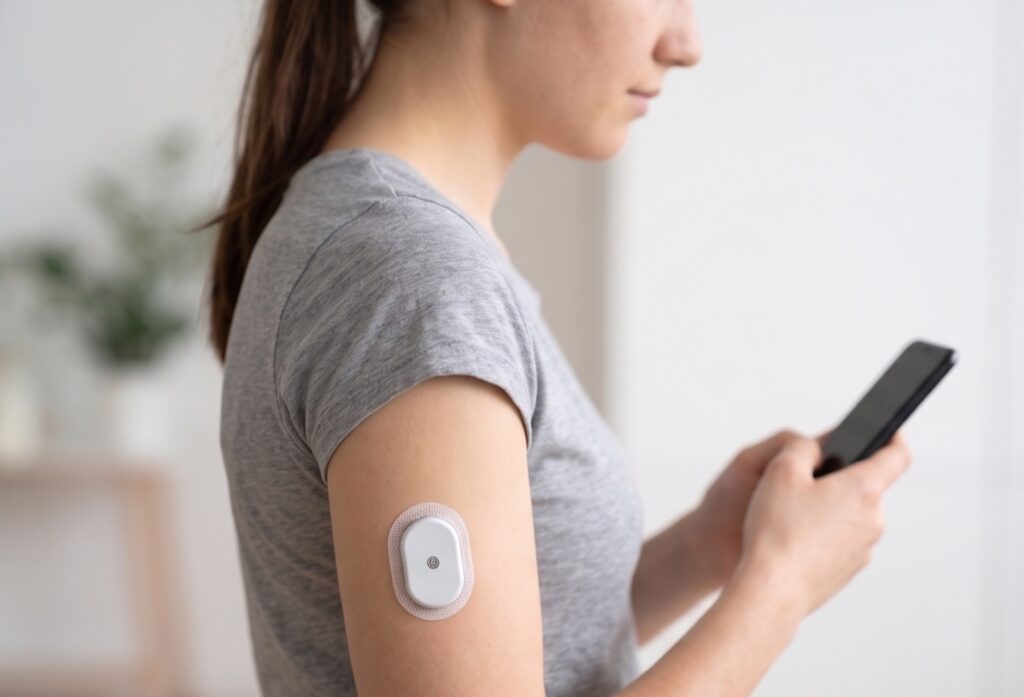
A CGM system usually includes a small sensor worn on the body, a transmitter, and a receiver or smartphone app. The device tracks glucose in interstitial fluid and shows current values, direction arrows and trend patterns. This makes it easier to see where glucose is heading, not just where it is right now.
Key advantages of CGM
- Real-time visibility: Ongoing data across the day and overnight.
- Trend awareness: Arrows and graphs help predict highs and lows earlier.
- Fewer finger pricks: Less interruption to work, sleep and routines.
- Better treatment conversations: Shared data can support more targeted care planning with your diabetes team.
Limitations to consider
- Cost and eligibility: Access and subsidy rules vary by program and clinical criteria.
- Learning curve: Alerts and trend interpretation can feel overwhelming at first.
- Sensor comfort: Some users experience skin irritation or adhesive issues.
- Alarm fatigue: Frequent alerts may need personalised threshold settings.
Practical tips for getting started
- Start with simple goals (for example, reducing overnight lows).
- Review trends weekly rather than reacting to every single reading.
- Work with your credentialled diabetes educator to adjust alerts and routines.
- Use reports during appointments to guide medication, food and activity decisions.
Final takeaway
CGM can be a powerful tool for people living with diabetes, especially when paired with personalised education and follow-up. It is not just about numbers—it is about building confidence, reducing uncertainty and making daily diabetes management more practical.
References
- Australian Government Department of Health and Aged Care. National Diabetes Services Scheme (NDSS). https://www.health.gov.au/our-work/national-diabetes-services-scheme-ndss
- Australian Government Department of Health and Aged Care. Albanese Government delivering life-changing devices for Australians with Type 1 diabetes. https://www.health.gov.au/…/life-changing-devices-for-australians-with-type-1-diabetes
- SA Health. Central Adelaide Diabetes Clinics fact sheet (Department for Health and Wellbeing, SA). https://www.sahealth.sa.gov.au/…/Type2_DiabetesKnown_June2014.pdf